
Sugar-conscious diet
Moderate consumption and a conscious selection of suitable sugar sources are the basis for a sugar-conscious diet. This allows you to benefit from the energizing and enjoyable properties of sugars without burdening your body. With these recommendations, a sugar-conscious diet in everyday life is child's play:
Tip 1 for a sugar-conscious diet: wield the wooden spoon yourself
Conscious sweetening - prepared by yourself
If you prepare your own meals from fresh ingredients, you retain control over what you put on your plate. The amount of sugar in unprocessed foods is usually easy to recognize: whether it's sweet fruit, honey or ripe tomatoes - our sense of taste gives clear indications of how much natural sweetness is contained. This makes it easier to estimate and control your own sugar consumption.
Determine sweetness yourself - even when cooking and baking
Cooking or baking yourself offers the opportunity to customize the type and amount of sugar used. Whether you want a cake to be less sweet or a dessert prepared with alternative types of sugar - you have the flexibility to choose the ingredients yourself.
The targeted use of different types of sugar allows recipes to be modified as desired. For example, the calorie content of sweetened dishes can be reduced by replacing household sugar with lower-calorie alternatives such as tagatose. Combinations with special sugars such as galactose or isomaltulose are also possible - depending on individual preferences.
Inspiration for the kitchen
Whether it's a yogurt mix for the office, sugar-reduced cakes or sweet snacks with selected types of sugar: In our recipe ideas, you will find suggestions for a more conscious approach to sugar - easy to implement and versatile to combine.
Tip 2 for a sugar-conscious diet: sensitize your taste buds
How sugar shapes our taste
Whether coffee on its own, with milk or with sugar - how sweet a drink or food is perceived depends heavily on personal taste perception. This in turn is influenced by individual sugar consumption. While the milk sugar in coffee is enough for some people, others need several teaspoons of sugar to get the same sweet sensation.
Our sense of taste is adaptable. If it is regularly confronted with highly sweetened food or drinks, the so-called Sweet threshold - i.e. the point at which a product is perceived as "pleasantly sweet". Over time, it can happen that only significantly sweeter products are perceived as "enjoyable".
The food industry also contributes to this by adding high sugar content and intense flavors to many products. This sets a sweet standard, especially for processed foods such as fruit yogurts or soft drinks, which children in particular get used to at an early age. Products with less sugar or a natural taste often seem unusually mild in comparison - even if they contain fresh, high-quality ingredients.
Rediscovering taste
The good news: taste can be retrained. Our taste buds renew themselves regularly - our perception of sweetness can change noticeably after just a few weeks. If you consciously reduce your consumption of added sugar for a month or so or avoid highly sweetened convenience products, you will often quickly notice that many dishes taste better with significantly less sugar - and products you were previously used to suddenly seem overly sweet.

Advantage: low sweetening power
Dr. Coy's sugars such as galactose, isomaltulose, trehalose or the sugar substitute erythritol have a significantly lower sweetening power and only a subtle, natural sweetness compared to conventional household sugar. They therefore stimulate the taste buds less and hardly desensitize them. Galactose, isomaltulose and trehalose provide energy without further increasing the desire for sweetness.
Tip 3 for a sugar-conscious diet: make sure you choose the right mix of foods
Eat a varied diet - make conscious use of diversity
Each food group has different properties. A varied composition ensures that a wide range of nutrients are absorbed, while potentially one-sided effects of individual groups can be balanced out.
Fruit and vegetables
Fresh vegetables form a sensible basis for the daily diet. They are generally low in calories and sugar and contain various vitamins, minerals, fiber and phytochemicals. In addition, one to two portions of fruit a day can contribute to variety. In order to make the best possible use of different ingredients, it is advisable to choose as many different varieties as possible, ideally from regional and seasonal cultivation.
Whether fresh vegetables and fruit or frozen varieties are chosen often only plays a subordinate role for the content of heat-stable vitamins. With frozen products, however, it is worth taking a look at the list of ingredients: Some fruits are sweetened, vegetables are sometimes sauced. Canned foods often contain additives such as sugar or salt and usually have a lower content of sensitive nutrients due to heating.
Nuts and seeds
Nuts such as walnuts, hazelnuts and almonds as well as seeds such as sunflower seeds, linseed or pumpkin seeds can be a valuable addition to your diet. They provide vegetable fat, protein, fiber and other nutrients. A small handful is suitable as a snack or as an ingredient in salads, muesli, yogurt, omelettes or vegetable dishes. We recommend natural products without added ingredients such as sugar, flavorings or preservatives.
Bread, pasta, muesli & co.
Side dishes such as bread, pasta, rice or potatoes as well as cereal products such as muesli, cornflakes and other starchy foods are among the main sources of carbohydrates in everyday life. The starch they contain is broken down into glucose in the digestive tract and affects blood sugar levels. During periods of physical activity, such foods can provide a readily available source of energy.
People who spend most of their time sitting down, e.g. in the office or at school, can benefit from reducing the amount of starchy side dishes and increasing the amount of vegetables on their plate. Wholemeal varieties such as wholemeal bread, brown rice or oatmeal provide additional fiber and contain other components of the grain such as the husk and germ.
Products made from wholemeal flour differ from white flour products not only in terms of the fiber they contain, but also in terms of their vitamin and mineral content. Wholemeal bread rolls can therefore be an interesting alternative - e.g. combined with cream cheese, smoked salmon or tomato - compared to highly processed baked goods with sugar-based spreads.
Baking with gluten-free flours
Gluten: What's behind the grain protein? For a long time, gluten was mainly known to people with coeliac disease. It is a protein that is found in grains such as wheat, spelt, rye and barley. People with coeliac disease must completely avoid foods containing gluten, as even small amounts can lead to a severe reaction in the intestines. Special gluten-free products are commercially available for them. However, many people without coeliac disease are now also consciously opting for a low-gluten or gluten-free diet. Some of them report a better personal well-being or a change in their digestive experience, for example with complaints such as flatulence or bloating. Gluten sensitivity and modern grains: So-called non-celiac gluten sensitivity is gaining increasing attention in the scientific debate. Those affected show symptoms after eating gluten-containing foods without a classic coeliac disease or wheat allergy being detected. The reactions described include gastrointestinal complaints such as flatulence, cramps or stool changes. In addition to gluten, other components of modern grains could also have an influence on the tolerance. Some newer wheat varieties contain certain protein compounds that were originally intended to protect the grain from pests, but may trigger intolerances in sensitive people. Alternatives and choices: If you are looking for variety when cooking and baking or want to avoid cereals containing gluten, you can opt for gluten-free flours. Popular options include buckwheat, rice, corn, amaranth, linseed or tiger nuts. So-called ancient grains such as emmer, kamut or einkorn are also considered by many to be interesting alternatives to classic wheat. In addition, additives or processing aids in the bread baking process can also have an influence on individual tolerance. Some people report complaints in connection with certain types of flour or baked goods, which do not necessarily only affect the digestive system. Symptoms such as tiredness or skin reactions are also mentioned in individual cases - however, the exact correlations are still the subject of research.
Consciously put together muesli
If you like to start the day with muesli, you can control which ingredients are included by creating your own mix. A simple mixture of hearty rolled oats, nuts and fresh fruit forms a good basis. In addition, selected types of sugar such as galactose, isomaltulose or trehalose can be used as a mild source of energy. In this way, a high sugar intake can be avoided at breakfast - because many ready-made mueslis and cornflakes from the supermarket contain various added sugar sources that are not always recognizable at first glance.
Fish: a versatile component of a balanced diet
Fatty sea fish such as salmon, herring, mackerel or tuna contain valuable fatty acids and are a natural source of iodine. Vitamin D is also found in significant quantities in certain types of fish. Many fish also provide special fatty compounds such as furan fatty acids.
Fish is naturally sugar-free. However, when buying marinated, breaded or heavily processed fish products, it is worth taking a look at the list of ingredients, as they may contain added sugar.
Meat, poultry and sausage products: Choose quality consciously
Meat is a protein-rich food and contains various nutrients such as iron, zinc and vitamin B12. Nevertheless, quality is more important than quantity. Two meat meals a week are considered sensible, ideally with pasture-raised, game or organic products.
Processed meat products such as sausage, salami or ham often contain additives - including sugars such as dextrose or lactose. In addition, certain processes such as curing or smoking are the subject of critical debate. It is therefore advisable to enjoy meat unprocessed wherever possible - e.g. as fillet, sliced meat or steak.
Alternatives to meat: eggs, dairy products and soy
In addition to fish, eggs, dairy and soy products are also popular sources of protein. They enable a varied diet - even without meat.
In addition to protein, eggs provide many other nutrients. Discussions about the connection between eggs and cholesterol should now be viewed in a more differentiated way. For most people, cholesterol levels are influenced more by their general diet - such as carbohydrate and sugar consumption - than by the consumption of individual foods.
When milk causes discomfort
Worldwide, 3 out of 4 people cannot digest the milk sugar lactose and suffer from unpleasant abdominal pain, flatulence and diarrhea after drinking milk. In Central European countries, around one in seven people suffer from this type of lactose intolerance. As lactose is already broken down by the bacteria during bacterial fermentation, milk products that have been matured for longer, such as tart natural yoghurt and cheese, are often better tolerated. Traditionally produced dairy products from Mediterranean countries in particular, such as feta, mozzarella, parmesan or ayran, are usually easier to digest, as lactose intolerance is widespread here and the production processes are adapted accordingly.
Natural yogurt, cheese & co.
Dairy products such as natural yogurt, buttermilk and cheese are well-known sources of protein and calcium. Products without additives are recommended, as many fruit yoghurts, flavored buttermilk or flavored cream cheese preparations often contain sugar. While natural yoghurt contains around 6 g of lactose per 100 g (equivalent to around two sugar cubes per pot), a standard fruit yoghurt can quickly contain significantly more - often eight or more sugar cubes per portion. If you want to avoid added sugar, you can refine natural yogurt yourself, e.g. with frozen berries or fresh herbs. Individually measured alternatives such as tagatose are suitable for sweetening. Galactose or isomaltulose can also be used for a more energy-rich variant.
Alternative milk sources for those with sensitive intolerance
Irrespective of known intolerances such as lactose intolerance or milk protein allergy, some people with sensitive intestines report reactions to a special protein in cow's milk - the so-called A1 beta-casein. This differs structurally from A2 beta-casein, which is found in goat's milk, sheep's milk and human breast milk, for example. Some consumers therefore consciously choose products made from goat's or sheep's milk as a possible alternative.
Plant-based alternatives: soy & co.
Soy products at a glance
Tofu, soy milk and soy yogurt are widely used plant-based alternatives to animal products. They contain high-quality protein, but also other natural ingredients such as phytic acid, phytoestrogens or so-called goitrogens, the assessment of which varies in research. In many Asian countries, soy products have a long tradition, especially in fermented form such as tempeh, miso or soy sauce. These processing methods change the composition of the ingredients. Anyone who consumes soy products should ensure variety and include different plant-based protein sources.
Other plant-based options
In addition to soy, alternatives such as almond or coconut milk, lupin products, nuts, pulses and mushrooms are also available. A balanced selection is particularly useful for vegan diets to ensure a broad nutrient base.
Fats and oils: using diversity consciously
Vegetable oils with a functional composition
Oils such as linseed, rapeseed and walnut oil contain polyunsaturated fatty acids. Olive oil in cold-pressed quality is also a valued edible oil that can be used in a variety of ways thanks to its fatty acid composition. High-quality vegetable oils also provide vitamin E. Some special oils such as red palm kernel oil or grape seed oil contain natural variants of vitamin E, so-called tocotrienols, whose properties are currently being investigated in studies.
Coconut oil and MCT fats
Virgin coconut oil contains medium-chain fatty acids, so-called MCTs (Medium Chain Triglycerides). These fatty acids have a special utilization structure in the body. MCTs are partly used to form ketone bodies - an alternative source of energy that is being discussed in particular in the context of certain nutritional concepts.
Tip 4 for a sugar-conscious diet: choose suitable drinks
Water - liquid as a daily companion
Why liquid is important
The human body can survive for several weeks without food - but only a few days without fluids. Water fulfills numerous functions in the organism: it is a component of the blood, fills the cells and forms the medium for many biochemical processes. Water is also crucial for the transportation and excretion of metabolic products.
An inadequate fluid balance usually makes itself felt quickly. The recommended daily amount to drink is around 30 ml per kilogram of body weight. Part of the fluid requirement can be covered by water-rich foods such as fruit and vegetables. Nevertheless, regular drinking remains important - ideally in the form of Mineral water or unsweetened tea.
Sugary drinks: more than just a thirst quencher
Fast energy or hidden calories?
Drinks that contain sugar - such as lemonade, fruit juice, sweetened coffee or mixed milk drinks - provide quickly available energy. As they usually do not provide satiety, they are seen as an additional source of energy rather than a thirst quencher. The sugar they contain enters the bloodstream quickly and provides immediately usable calories.
Targeted use for increased energy requirements
In certain everyday situations, a quick supply of energy may be required, for example during prolonged physical exertion or in phases of irregular mealtimes. The targeted use of sugary drinks can be useful here. Special types of sugar that are metabolized more slowly than conventional household sugar are increasingly being used.
Use alternative types of sugar in drinks
Individually adjustable options
Types of sugar such as Galactose, Isomaltulose or Trehalose are often used where a consistent sugar intake is preferred - e.g. for homemade sports drinks. These can be prepared individually:
Tea or diluted berry spritzer with 1 teaspoon each of isomaltulose and trehalose
Coffee with 1 teaspoon galactose - for a mild sweetness
These variants can be flexibly adapted to personal requirements.
Would you have known?
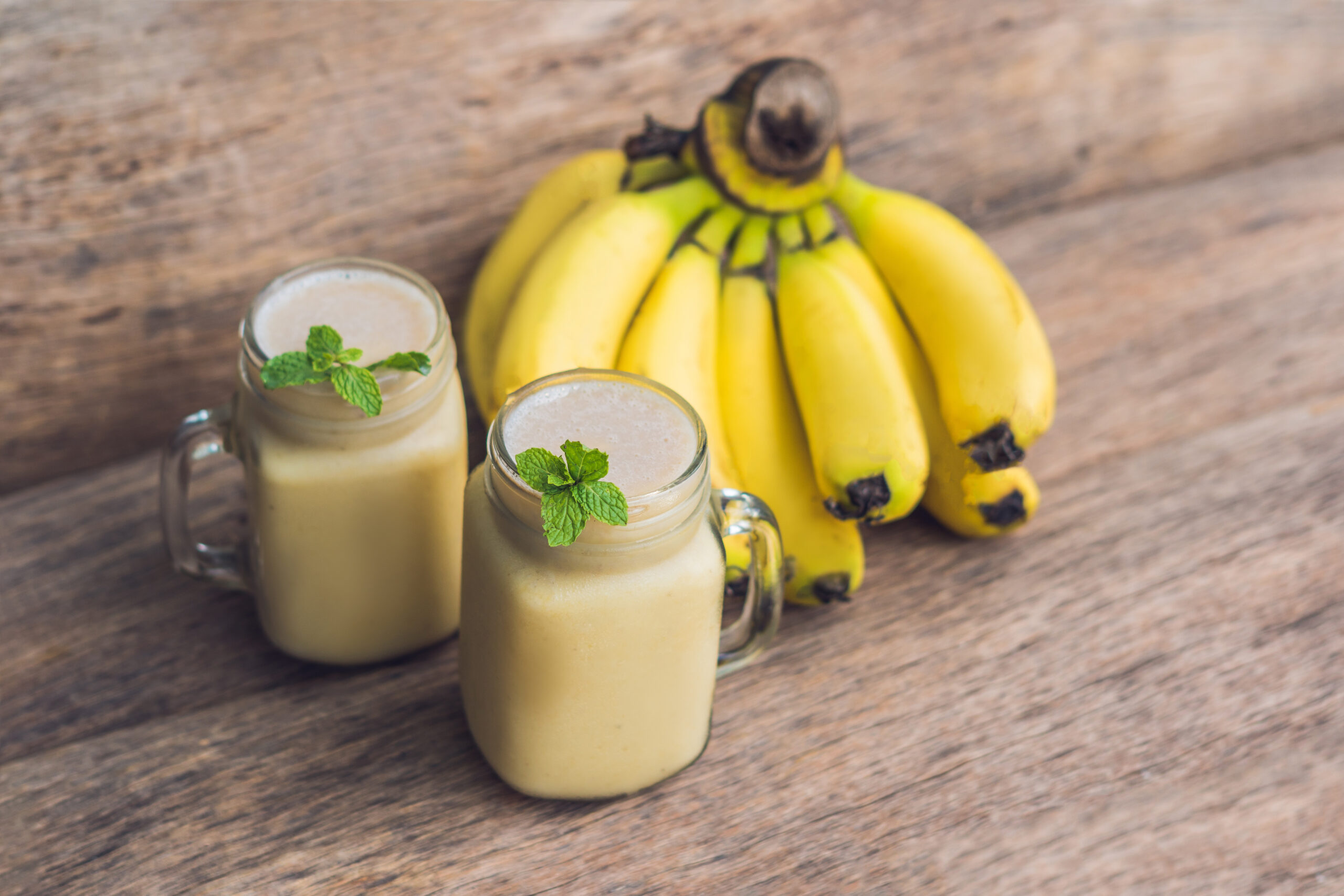
Soft drinks such as cola contain the equivalent of around 30 sugar cubes per liter. But did you know that a liter of fruit juice also naturally contains this much sugar? No? You are certainly no exception, as many people like to drink several glasses of orange or multivitamin juice a day in the belief that this is a tasty way to quench their thirst and take in important vitamins at the same time. But anyone who has ever made freshly squeezed orange juice knows how many oranges it takes to fill a glass. In addition to vitamins, fruit juice contains mainly fructose - without the satiating fiber from whole fruit. A glass of orange or apple juice, with around 6 sugar cubes, is therefore a considerable sugar bomb and causes your blood sugar level to rise significantly. So drink at most one small glass a day with a meal and preferably not in between meals.
Tip 5 for a sugar-conscious diet: Pay attention to ingredient lists
Added sugar in savory foods: Often underestimated
Hidden sugar - even in savory products
Many consumers are surprised when they learn that even Herbal mixtures, Vegetable broths or savory spreads can contain sugar - sometimes even more sugar than herbs or vegetables themselves. A glance at the list of ingredients shows: Added sugar have long been found not only in confectionery, but also in numerous savory products, from Ketchup to sausage.
Why sugar is contained in savory products
Sugar often fulfills technological functions in processed foods - for example to Flavor rounding, Coloring or Consistency optimization. It is therefore not only used for reasons of taste. As a result, many products contain several types of sugarwhich are not always recognizable as such at first glance.
Read ingredient lists correctly
How to recognize sugar in food
The ingredients of a product are usually in descending order of quantity listed. However, some manufacturers use several different sources of sugar e.g. glucose syrup, maltodextrin, fructose, dextrose or barley malt extract. As a result, they appear further down the list, although their total content can be quite high.
Rule of thumb for everyday life
Occasional sweet treats such as a piece of chocolate are part of many people's diet. However, when it comes to your daily diet, it's worthwhile, especially for frequently consumed products such as Muesli, cream cheese or sausage on one as low or no added sugar to pay attention.
Sugar is hidden behind these terms
Sugar sources have many names, e.g. all terms ending in -sugar, -ose or -syrup such as cane sugar, malt sugar, dextrose, fructose, glucose-fructose syrup, caramel syrup, starch syrup or invert sugar syrup; malt extract, maltodextrin and other dextrins, honey, thick juices such as agave syrup, fruit sweeteners such as grape or apple sweetener or fruit extract.
Tip 6 for a sugar-conscious diet: enjoy without a guilty conscience
Consciously integrating enjoyment
Enjoy sugar consciously
There is also room for indulgence in a sugar-conscious diet - be it a piece of cake for a birthday, an ice cream in summer or a sweet cappuccino in a social gathering. It is important to recognize such moments for what they are: Exceptions with a pleasurable character. A conscious approach can help to promote balance and satisfaction in everyday life.
Food and emotions
How we perceive certain foods can influence our personal experience. Many people are familiar with this: if you are under pressure and reach for sweets at the same time, you often perceive the experience differently than when you are relaxed. Our own attitude to food - whether we enjoy it or have a guilty conscience - can also influence how we evaluate our diet and what decisions we make in the long term.
Selecting specific types of sugar
Diversity instead of renunciation
There are various types of sugar available today for a conscious diet. Some of them - such as Isomaltulose, Galactose or Trehalose - are used in certain nutritional concepts as an alternative to classic household sugar. They differ in their composition and can be used in individual doses.
Such alternatives offer a variety of flavors and can be integrated into drinks or dishes in many different ways. If you value conscious consumption, you can incorporate them into your everyday life as part of a balanced lifestyle - without having to give up sweet moments.
Conscious enjoyment needs to be learned
Many people have the problem that one piece of chocolate quickly turns into a whole bar. The problem is that we often eat sweets on the side and don't really enjoy them. If we chew chocolate hastily and swallow it down quickly, there is hardly any time for the taste buds of the tongue to properly absorb the flavor. As a result, the brain misses out on the moment of pleasure and craves more. Enjoy it consciously for once: sit down in a quiet place like your couch. Take a piece of chocolate, smell it and take in the smell. Then put the piece of chocolate in your mouth and move it back and forth on your tongue and in your mouth. Let the chocolate melt instead of chewing it. Where do you perceive the taste and sweetness? Can you taste the individual aromas? Savored slowly and carefully, a single piece of chocolate is usually enough for a pleasant moment of pleasure.